If you’re planning a vacation to Djerba Island in Tunisia, there are a few things you should know before you go. From its history and culture to its beaches and food, Djerba Island has something for everyone. Here are some tips and recommendations to help you make the most of your trip.
History and Culture:
Djerba Island has a rich history and culture that dates back thousands of years. The island has been inhabited by various civilizations, including Phoenicians, Romans, Arabs, and Berbers. One of the island’s main attractions is the El Ghriba Synagogue, which is believed to be one of the oldest synagogues in the world. Other historic sites on the island include the Borj El Kebir Fort and the Guellala Museum, which houses traditional pottery and other crafts.
Climate and Weather:
Djerba Island has a Mediterranean climate with hot, dry summers and mild winters. The best time to visit the island is between May and October when the weather is warm and sunny. However, if you prefer cooler temperatures and fewer crowds, you may want to consider visiting in the shoulder seasons of spring and fall.
Beaches:
Djerba Island is famous for its beautiful beaches, and there are many to choose from. Some of the most popular beaches include Sidi Mahres Beach, which has white sand and crystal-clear water, and Seguia Beach, which is less crowded and perfect for a peaceful day of Cliswimming and sunbathing.
Accommodations:
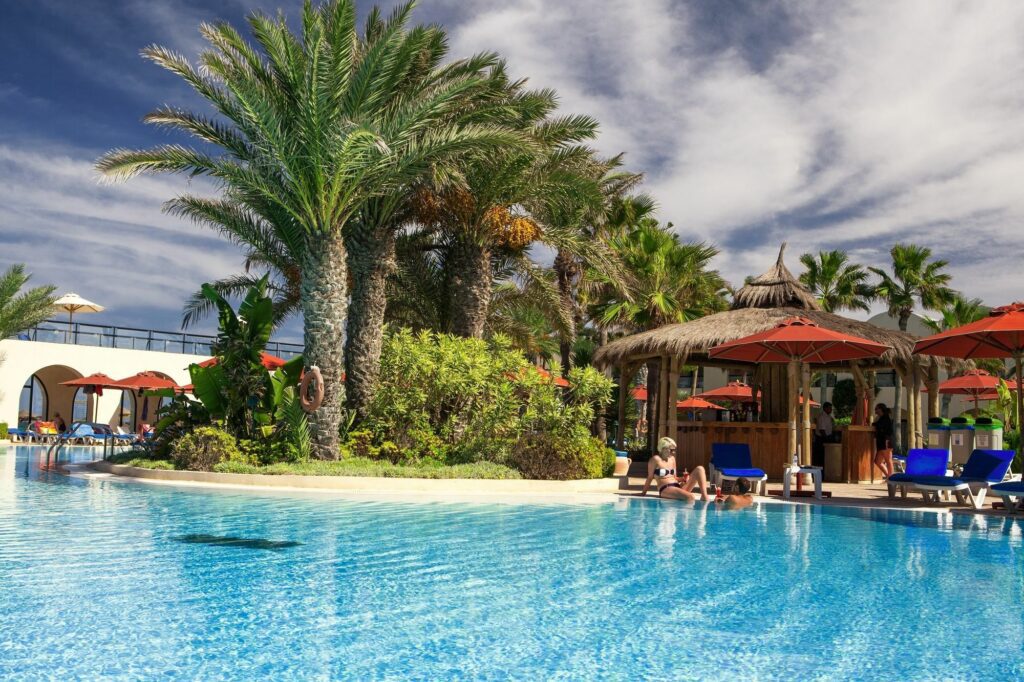
Djerba Island has a range of accommodations to suit every budget, from luxury resorts to budget-friendly hotels and guesthouses. Some of the best hotels on the island include the Radisson Blu Ulysse Resort & Thalasso, the Hasdrubal Prestige Thalassa & Spa, and the Djerba Plaza Hotel & Spa.
Food:
Tunisian cuisine is known for its bold flavors and spices, and Djerba Island is no exception. Some of the must-try dishes on the island include couscous, brik (a savory pastry filled with egg and tuna or meat), and tagine (a slow-cooked stew made with meat, vegetables, and spices). Seafood is also a popular choice, with fresh fish and shellfish available at many of the island’s restaurants.
Activities:
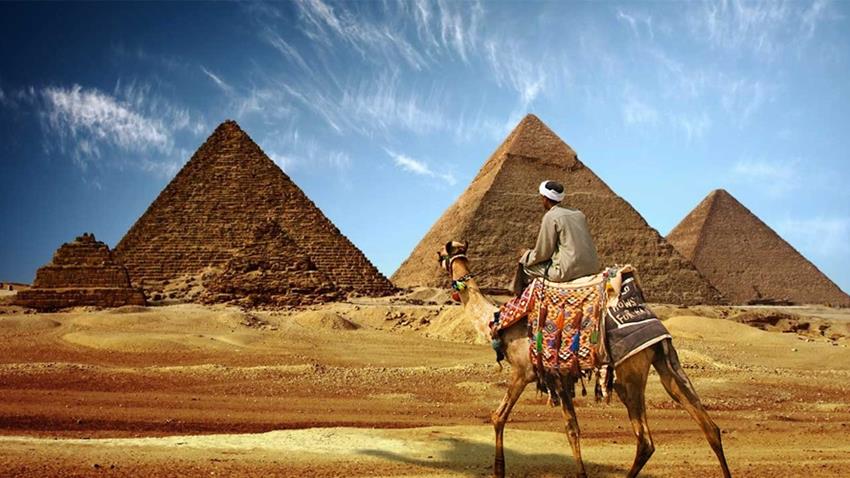
There are many things to do on Djerba Island, from exploring historic sites to enjoying the beaches and water sports. Some of the top activities include visiting the El Ghriba Synagogue, taking a camel ride through the desert, and trying your hand at kite surfing or windsurfing. You can also visit the island’s markets and souks to shop for souvenirs and traditional crafts.
Language:
The official language of Tunisia is Arabic, but many Tunisians also speak French, especially in the tourism industry. English is also spoken to some extent in hotels and tourist areas. It’s a good idea to learn a few basic Arabic phrases to help you communicate with locals and show respect for their culture.
Dress Code:
Tunisia is a Muslim country, and while Djerba Island is more liberal than some other parts of the country, it’s still important to dress modestly out of respect for local customs. Women should avoid wearing revealing clothing, and both men and women should dress conservatively when visiting mosques or other religious sites.
Safety:
Tunisia has a relatively low crime rate, but it’s always a good idea to take precautions when traveling. Avoid carrying large amounts of cash or valuables and be aware of your surroundings, especially when walking alone at night. Djerba Island is considered a safe destination for tourists, but it’s always a good idea to check the latest travel advisories from your country’s embassy or consulate before you go.
Currency:
The official currency of Tunisia is the Tunisian dinar. It’s best to exchange your currency at a bank or exchange office, rather than at hotels or tourist areas, to get the best exchange rates. Credit cards are widely accepted in hotels and larger restaurants, but it’s a good idea to carry cash for smaller purchases and in more rural areas.
Transportation:
There are several transportation options on Djerba Island, including taxis, buses, and rental cars. Taxis are widely available and relatively inexpensive, but it’s important to negotiate the fare before getting in. Buses are a good option for budget-conscious travelers, but they can be crowded and run on a limited schedule. If you plan to explore the island on your own, renting a car is a good choice, but be aware that driving in Tunisia can be challenging, especially in urban areas.
Customs and Etiquette:
Tunisians are known for their hospitality and friendliness, and it’s important to show respect for their customs and traditions. When entering someone’s home, it’s customary to remove your shoes, and it’s polite to bring a small gift, such as sweets or flowers. It’s also customary to greet people with a handshake and to use your right hand when eating or passing objects. Alcohol is widely available in hotels and tourist areas, but it’s important to be respectful of local customs and avoid drinking in public or in more conservative areas.
In conclusion, Djerba Island is a beautiful and fascinating destination with a rich history and culture, stunning beaches, and delicious cuisine. By following these tips and recommendations, you can make the most of your trip and have a safe and enjoyable experience. Remember to dress conservatively, learn a few basic Arabic phrases, and be respectful of local customs and traditions. With its warm weather, beautiful beaches, and rich culture, Djerba Island is a destination that should definitely be on your travel bucket list. Click here to get started