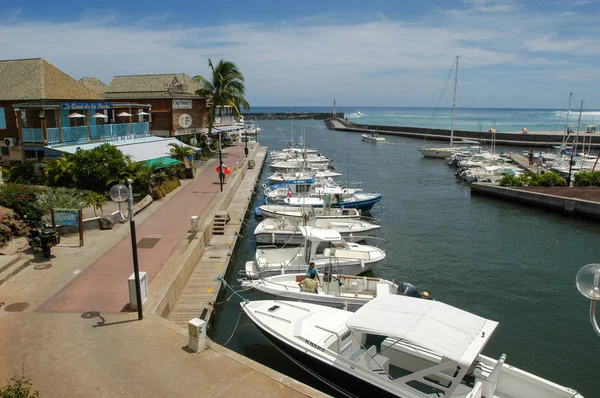
Reunion Island, located in the Indian Ocean, is a small French overseas department known for its breathtaking natural beauty, diverse culture, and adventurous activities. If you’re planning a vacation to Reunion Island, there are a few things you should know before you go.
Visa and Travel Documents
Reunion Island is a French overseas department, so if you are a citizen of the European Union, you do not need a visa to visit. However, if you are not a citizen of the European Union, you may need a visa. You should check with your local embassy or consulate to determine if you need a visa.
In addition to a valid passport and visa (if required), you should also have a return ticket and proof of sufficient funds to cover your stay on the island.
Language
The official language of Reunion Island is French, but many locals also speak Creole. English is not widely spoken, so it’s a good idea to learn a few basic French phrases before you go.
Currency
The currency used in Reunion Island is the Euro. There are ATMs and banks on the island, so it’s easy to withdraw cash if you need it. Credit cards are widely accepted, but it’s a good idea to carry some cash with you just in case.
Climate
Reunion Island has a tropical climate with two distinct seasons. The wet season runs from November to April, and the dry season runs from May to October. The best time to visit Reunion Island is during the dry season when the weather is sunny and warm.
Accommodation
There are many different types of accommodation available on Reunion Island, including hotels, guesthouses, and vacation rentals. If you want to stay in a hotel, you can find options ranging from budget-friendly to luxurious. If you prefer a more authentic experience, you can stay in a guesthouse, where you can meet locals and learn about the culture. Vacation rentals are also popular and are a good option if you want more privacy and space.
Transportation
Reunion Island is a small island, so transportation options are limited. The best way to get around is by renting a car or hiring a taxi. There is also a public bus system, but it can be slow and unreliable.
Food
Reunion Island has a rich and diverse culinary tradition that reflects its Creole, Indian, Chinese, and French heritage. Some of the island’s most popular dishes include curry, rougail, and samosas. Seafood is also a staple of the local cuisine.
Activities
Reunion Island is a haven for adventure seekers. There are plenty of activities to choose from, including hiking, mountain biking, canyoning, surfing, and scuba diving. The island’s stunning natural beauty also makes it a great place for sightseeing, with attractions like the Piton de la Fournaise volcano and the Cirque de Cilaos.
Safety
Reunion Island is generally a safe place to visit, but like any destination, there are some things you should be aware of. The island is prone to natural disasters like cyclones and earthquakes, so it’s important to keep an eye on the weather forecast and follow any warnings from local authorities. It’s also a good idea to take precautions against mosquito bites, as the island is home to the chikungunya virus.
Culture and Etiquette
Reunion Island has a rich and diverse culture that reflects its history as a melting pot of different cultures. When visiting the island, it’s important to respect local customs and etiquette. For example, it’s considered impolite to wear shoes inside someone’s home, and it’s customary to greet people with a kiss on each cheek. It’s also important to dress modestly when visiting religious sites and to always ask for permission before taking photos of people.
Beaches
Reunion Island is known for its beautiful beaches, but it’s important to be aware of the dangers of the ocean. The island’s beaches are not always safe for swimming due to strong currents and shark activity. It’s important to follow any warnings from local authorities and to only swim in designated safe areas.
Wildlife
Reunion Island is home to a variety of unique wildlife, including the island’s famous mascot, the lemur. It’s important to respect the local wildlife and to not feed or disturb the animals. The island is also home to a variety of marine life, including dolphins, whales, and sea turtles, so it’s important to be mindful of their habitat and to not litter.
Festivals and Events
Reunion Island is known for its lively festivals and events, which celebrate the island’s culture and history. Some of the most popular events include the Festival Liberté Métisse, which celebrates Reunion Island’s mixed heritage, and the Festival du Film de l’Océan Indien, which showcases films from across the Indian Ocean region.
Health
Reunion Island has a good healthcare system, but it’s important to have travel insurance that covers medical expenses. It’s also a good idea to bring any necessary prescription medications with you, as they may not be available on the island.
Respect for the Environment
Reunion Island’s natural beauty is a major draw for visitors, and it’s important to respect the environment and help preserve it for future generations. This means avoiding littering and being mindful of your water and energy consumption. It’s also important to support eco-friendly initiatives on the island, such as responsible tourism and conservation efforts.
In conclusion, Reunion Island is a beautiful and unique destination that offers something for everyone. By being aware of these important considerations before you go, you can ensure a safe, enjoyable, and respectful visit to this stunning island.
Get started with the plan for your next tour. Click here